



National Consortium to Combat Malnutrition
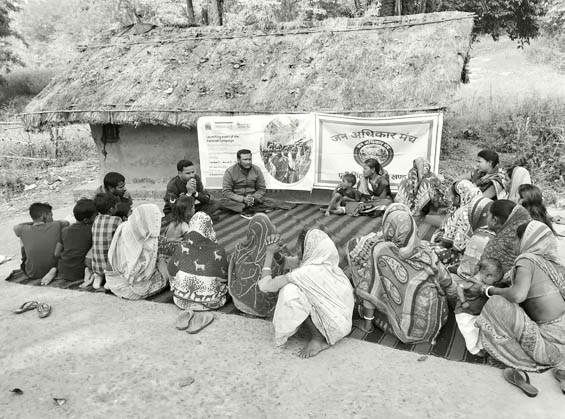
The National Consortium to Combat Malnutrition (NCCM), led by Atmashakti Trust, was established in 2023 to address malnutrition across India, particularly among Tribal and Dalit communities. Building on over a decade of collaborative work in Odisha, Atmashakti has expanded its efforts to form a National Alliance involving over 120 organizations across multiple states. The NCCM aims to unify stakeholders under a common cause, leveraging both community action and global digital advocacy to combat malnutrition.
Rights and entitlements, equality, and justice are the core values of the consortium partners. Combating Malnutrition is the unified theme of the National Consortium which gives a unique Identity and one common platform to all stakeholders, partner organizations, and leaders to have a collective voice using state-specific issues and strategies. It is thus working for a coordinated national effort leading to sustainable impact.
By positioning malnutrition as a central theme, the consortium not only addresses a critical global issue but also unifies the consortium partners under a shared cause and serves as a powerful tool for rallying support, engaging the public, and influencing decision-makers. An established identity of the consortium will help raise public awareness and prepare the ground for mobilizing a large number of people to become members. For creating a unified identity we will use social media and mainstream media. The use of media will help in backing up lobbying by bringing the debate into the open. It will build pressure on the decision-makers and inform the larger community about the campaigns of the consortium. Our branding and communication team will develop the branding and media involvement strategy.
Education and its link to Malnutrition – Education plays a crucial role in combating malnutrition as an educated community is better equipped to make informed choices regarding the nutrition of pregnant and lactating women, infants, and children. Education empowers individuals to understand the importance of balanced diets, proper food preparation, and essential nutrients, thereby contributing to improved nutritional practices within the community.
Livelihoods and its link to Malnutrition – Financial security resulting from improved livelihoods bring about positive behavioral changes in nurturing practices, directly impacting malnutrition. When community members have the means to secure an adequate and diverse diet, they are more likely to invest in the nutritional needs of their families, preventing malnutrition.
Health and its link to Malnutrition – The link between health and malnutrition is direct; improved health and reduced prevalence of diseases contribute to enhanced nutrition. A healthy community is better positioned to absorb and utilize nutrients from food, reducing the risk of malnutrition. Additionally, good health enables individuals to engage in productive activities that support livelihoods and, consequently, nutritional well-being.
Water, Sanitation, and Improved Infrastructure and its link to Malnutrition – Access to clean water, proper sanitation, and improved infrastructure elevate the standard of living within the community. This positive change in living conditions contributes to improved health and nutrition. Clean water and sanitation facilities are essential for preventing waterborne diseases and creating an environment conducive to healthy growth, particularly in children.
Improved Social Service Delivery and its link to Malnutrition – Effective social service delivery ensures that the community has access to and utilizes various government schemes and entitlements related to nutrition. Adequate social services, including healthcare and nutritional support programs, play a critical role in addressing malnutrition by providing necessary resources and interventions.
Gender Equity and its link to Malnutrition – Promoting gender equity by increasing women’s access, control, and decision-making power over resources positively influences the uptake of the entire family. Empowering women in decision-making roles regarding nutrition and healthcare enhances the overall well-being of the community, as women often play a central role in family health and nutrition. In summary, addressing the socio-economic and political issues within a community is integral to combating malnutrition. By focusing on education, livelihoods, health, water and sanitation, social service delivery, and gender equity, holistic interventions can be designed to create sustainable improvements in nutrition outcomes, fostering healthier and more resilient communities.
By positioning malnutrition as a central theme, the consortium not only addresses a critical global issue but also unifies the consortium partners under a shared cause and serves as a powerful tool for rallying support, engaging the public, and influencing decision-makers. An established identity of the consortium will help raise public awareness and prepare the ground for mobilizing a large number of people to become members. For creating a unified identity we will use social media and mainstream media. The use of media will help in backing up lobbying by bringing the debate into the open. It will build pressure on the decision-makers and inform the larger community about the campaigns of the consortium. Our branding and communication team will develop the branding and media involvement strategy.
Education and its link to Malnutrition – Education plays a crucial role in combating malnutrition as an educated community is better equipped to make informed choices regarding the nutrition of pregnant and lactating women, infants, and children. Education empowers individuals to understand the importance of balanced diets, proper food preparation, and essential nutrients, thereby contributing to improved nutritional practices within the community.
Livelihoods and its link to Malnutrition – Financial security resulting from improved livelihoods bring about positive behavioral changes in nurturing practices, directly impacting malnutrition. When community members have the means to secure an adequate and diverse diet, they are more likely to invest in the nutritional needs of their families, preventing malnutrition.
Health and its link to Malnutrition – The link between health and malnutrition is direct; improved health and reduced prevalence of diseases contribute to enhanced nutrition. A healthy community is better positioned to absorb and utilize nutrients from food, reducing the risk of malnutrition. Additionally, good health enables individuals to engage in productive activities that support livelihoods and, consequently, nutritional well-being.
Water, Sanitation, and Improved Infrastructure and its link to Malnutrition – Access to clean water, proper sanitation, and improved infrastructure elevate the standard of living within the community. This positive change in living conditions contributes to improved health and nutrition. Clean water and sanitation facilities are essential for preventing waterborne diseases and creating an environment conducive to healthy growth, particularly in children.
Improved Social Service Delivery and its link to Malnutrition – Effective social service delivery ensures that the community has access to and utilizes various government schemes and entitlements related to nutrition. Adequate social services, including healthcare and nutritional support programs, play a critical role in addressing malnutrition by providing necessary resources and interventions.
Gender Equity and its link to Malnutrition – Promoting gender equity by increasing women’s access, control, and decision-making power over resources positively influences the uptake of the entire family. Empowering women in decision-making roles regarding nutrition and healthcare enhances the overall well-being of the community, as women often play a central role in family health and nutrition. In summary, addressing the socio-economic and political issues within a community is integral to combating malnutrition. By focusing on education, livelihoods, health, water and sanitation, social service delivery, and gender equity, holistic interventions can be designed to create sustainable improvements in nutrition outcomes, fostering healthier and more resilient communities.