
Sustainable Agriculture: Brown to Green
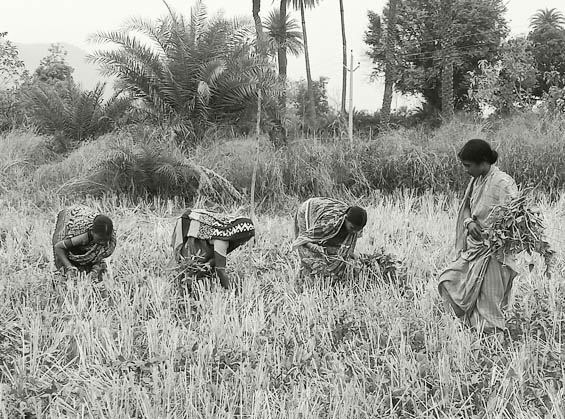
India has a vast area of rice fallow land, particularly in eastern and southern regions, where fields remain uncultivated after the rice harvest due to factors such as water scarcity, lack of infrastructure, and limited awareness of alternative cropping options. This results in underutilized land resources and missed opportunities for improving food security, rural income, and overall agricultural productivity.
The Brown to Green Campaign aims to address these critical challenges by promoting the cultivation of Green Gram and Black Gram as second crops for millions of marginal farmers utilizing rice fallow land. By encouraging the planting of a second crop during the fallow period, we can enable farmers to make more efficient use of their land while diversifying their income sources and improving their economic well-being.
The campaign aligns with the government’s efforts to promote sustainable agricultural growth and reduce regional disparities through balanced agricultural growth across the country. By utilizing rice fallow land, the campaign can help to reduce environmental pressures such as land degradation, and excessive use of water resources. Ultimately, the Brown to Green Campaign seeks to transform unused “brown” fallow lands into productive “green” fields, benefiting both the environment and the marginal farmers in Odisha, Chhattisgarh, Jharkhand and Madhya Pradesh while supporting India’s broader agricultural development goals. The major objectives of the initiative are to promote sustainable agriculture practices that protect the environment while supporting local farmers and improving community nutritional security. By encouraging the adoption of green gram and black gram as second crops in rice fallow lands, the initiative seeks to combat soil degradation and enhance biodiversity through crop diversification.
Additionally, promoting composting techniques will enrich soil fertility and reduce reliance on chemical fertilizers, building healthier agricultural environments. Strengthening cultural farming practices will help maintain traditional knowledge and reinforce the social fabric of agricultural life. The introduction of nitrogen-fixing leguminous crops will significantly improve soil health, replenishing essential nutrients for sustainable farming. Furthermore, diversifying cropping systems with high-value pulses provides farmers with an additional source of income, contributing to the economic stability of the community. By enhancing local diets with nutritious pulses, the initiative aims to combat malnutrition and promote better health outcomes. Through these comprehensive strategies, the initiative seeks to create climate-resilient agricultural farming that benefits the environment, enhances farmer livelihoods, and addresses nutritional security within the community.
The Brown to Green Campaign aims to transform millions of hectares of underutilized rice fallow lands of marginal farmers in Odisha, Chhattisgarh, Jharkhand, and Madhya Pradesh into productive agricultural fields. The campaign addresses multiple local and national challenges such as land utilization, regular agriculture-based livelihood of marginal farmers, food security, reduction in pulses import, and sustainable agricultural practices.
The campaign aligns with the government’s efforts to promote sustainable agricultural growth and reduce regional disparities through balanced agricultural growth across the country. By utilizing rice fallow land, the campaign can help to reduce environmental pressures such as land degradation, and excessive use of water resources. Ultimately, the Brown to Green Campaign seeks to transform unused “brown” fallow lands into productive “green” fields, benefiting both the environment and the marginal farmers in Odisha, Chhattisgarh, Jharkhand and Madhya Pradesh while supporting India’s broader agricultural development goals. The major objectives of the initiative are to promote sustainable agriculture practices that protect the environment while supporting local farmers and improving community nutritional security. By encouraging the adoption of green gram and black gram as second crops in rice fallow lands, the initiative seeks to combat soil degradation and enhance biodiversity through crop diversification.
Additionally, promoting composting techniques will enrich soil fertility and reduce reliance on chemical fertilizers, building healthier agricultural environments. Strengthening cultural farming practices will help maintain traditional knowledge and reinforce the social fabric of agricultural life. The introduction of nitrogen-fixing leguminous crops will significantly improve soil health, replenishing essential nutrients for sustainable farming. Furthermore, diversifying cropping systems with high-value pulses provides farmers with an additional source of income, contributing to the economic stability of the community. By enhancing local diets with nutritious pulses, the initiative aims to combat malnutrition and promote better health outcomes. Through these comprehensive strategies, the initiative seeks to create climate-resilient agricultural farming that benefits the environment, enhances farmer livelihoods, and addresses nutritional security within the community.
The Brown to Green Campaign aims to transform millions of hectares of underutilized rice fallow lands of marginal farmers in Odisha, Chhattisgarh, Jharkhand, and Madhya Pradesh into productive agricultural fields. The campaign addresses multiple local and national challenges such as land utilization, regular agriculture-based livelihood of marginal farmers, food security, reduction in pulses import, and sustainable agricultural practices.